This website uses cookies to improve your experience. We'll assume you're ok with this, but you can opt-out if you wish. Read More
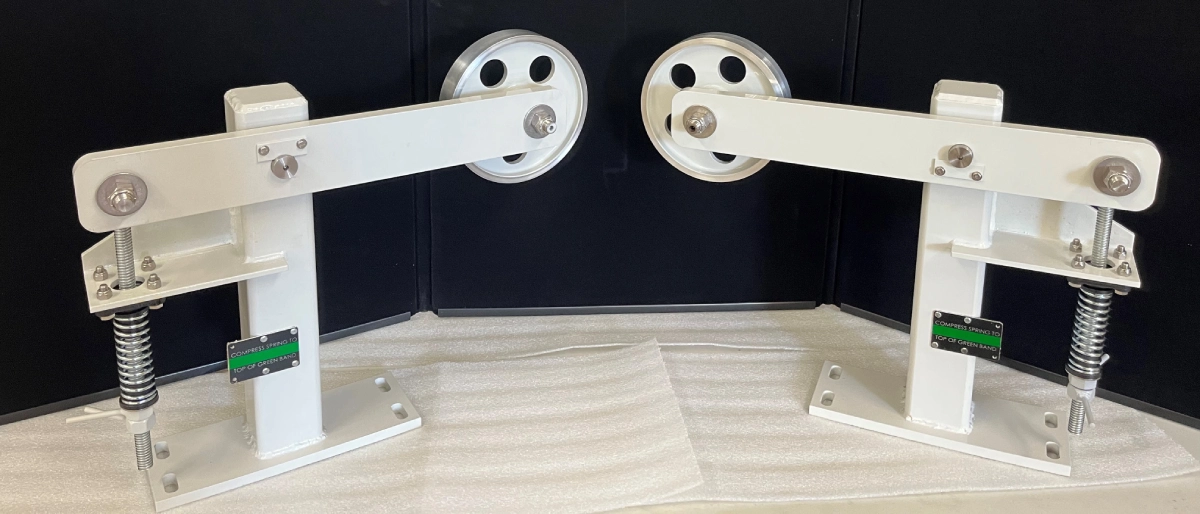
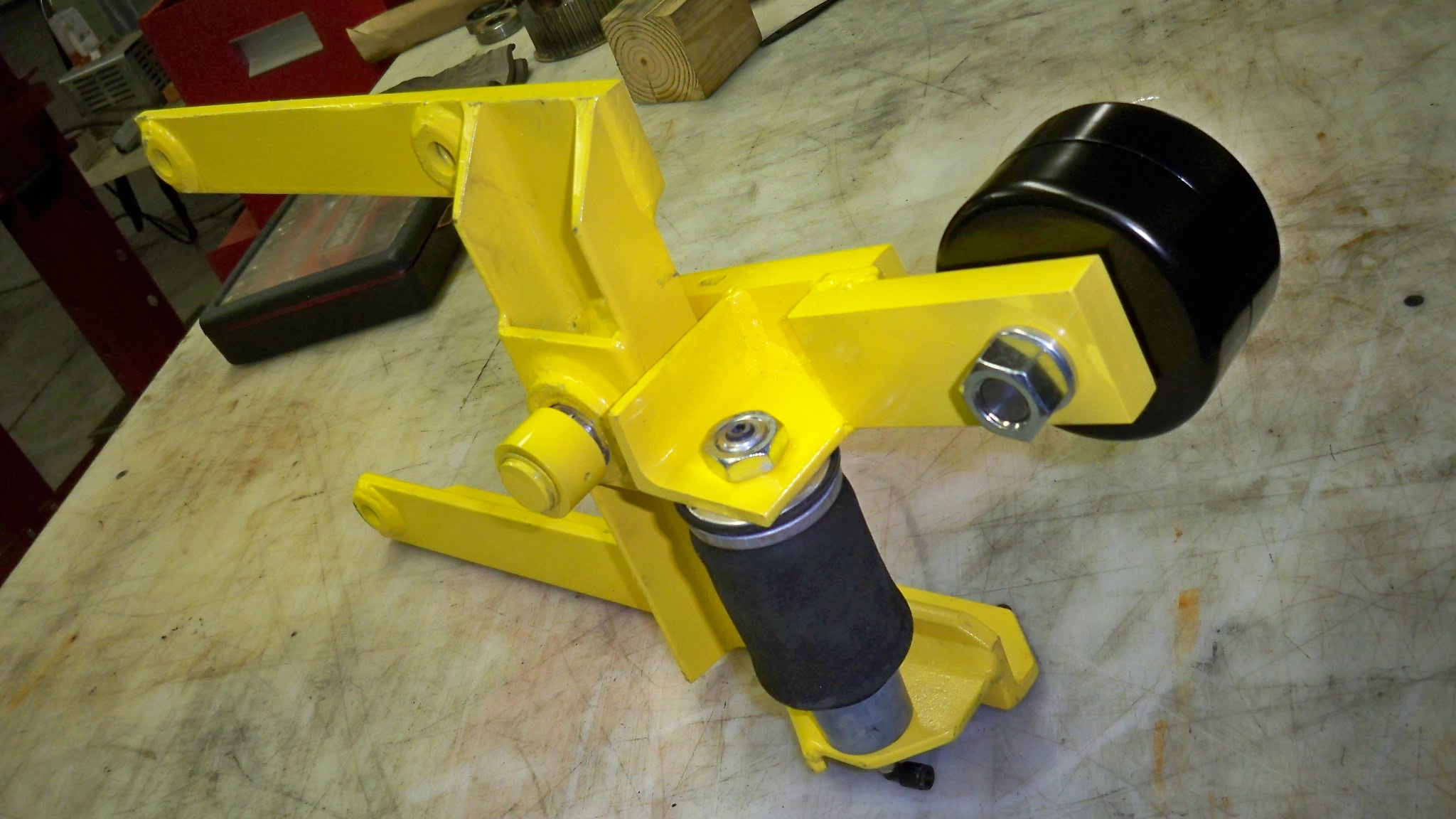
Improper belt tension is the maintenance problem most operations accept as a cost of doing business until someone runs the numbers. Reduced drive efficiency. Accelerated bearing wear. Shortened belt life. And a belt change that turns into a half-day operation because there’s no repeatable process for getting tension right. ACS engineers belt tensioning systems for high-horsepower belt-driven applications, with a gauge-controlled retrofit that delivers consistent tension on every maintenance cycle.
ACS belt tensioning systems are sold as integrated solutions on engineered jackshafts and as standalone retrofits for existing slide-base equipment. Either way, the result is the same: belt changes that take two hours instead of eight, drive efficiency that climbs from 95 percent to 98 percent, and bearing and belt life that justifies the investment to operations and maintenance leadership.
On a standard slide-base jackshaft, belt tensioning is a manual process. A 5,000 to 10,000 pound motor assembly is moved with screws and hydraulic jacks, the belts go on, the assembly slides back, and tension is set by feel. There’s no good read on whether the belt is properly tensioned when the machine starts back up. The result is a process that takes a full shift, wears down bearings, shortens belt life, and varies in quality from one maintenance team to the next.
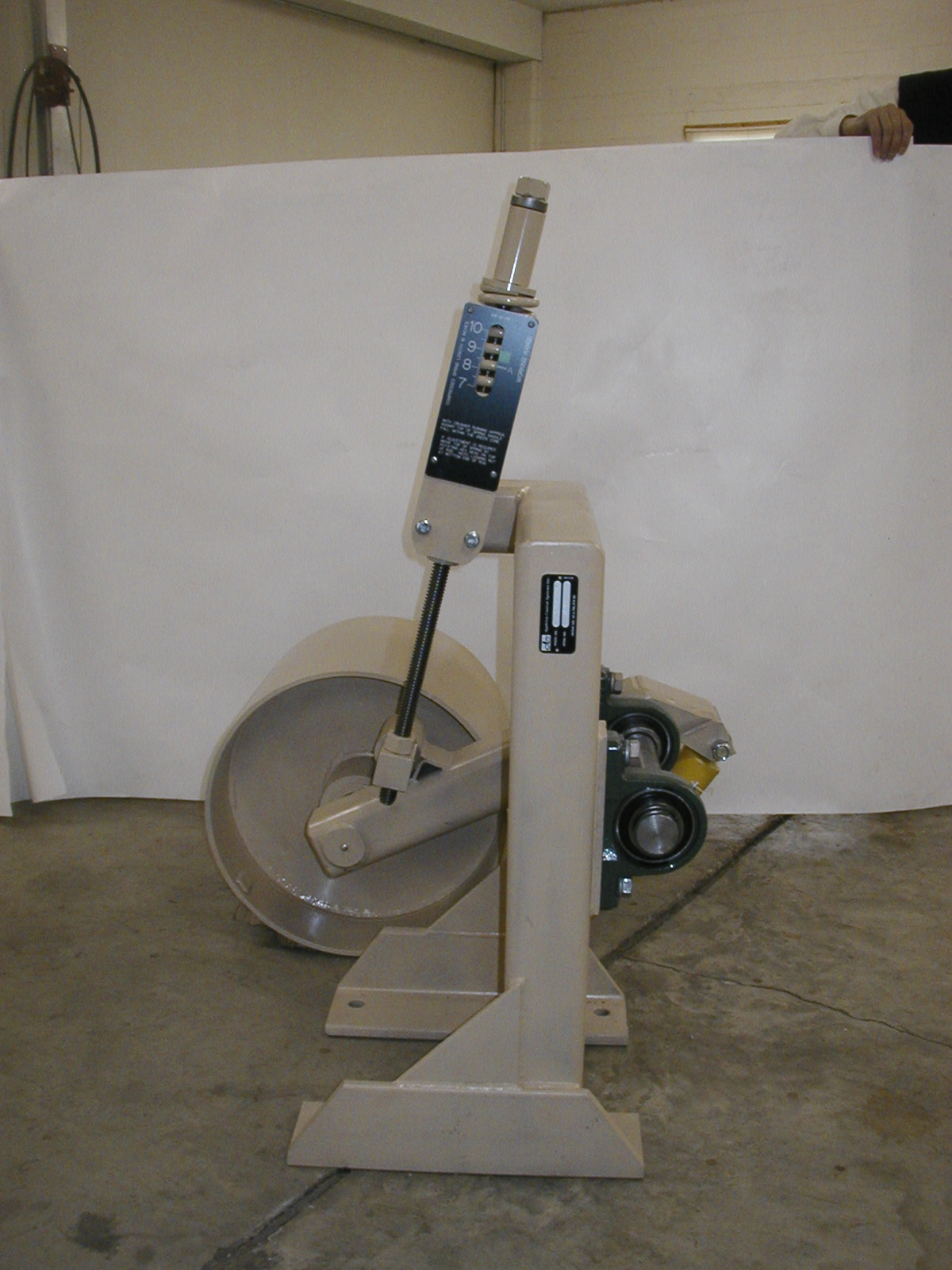
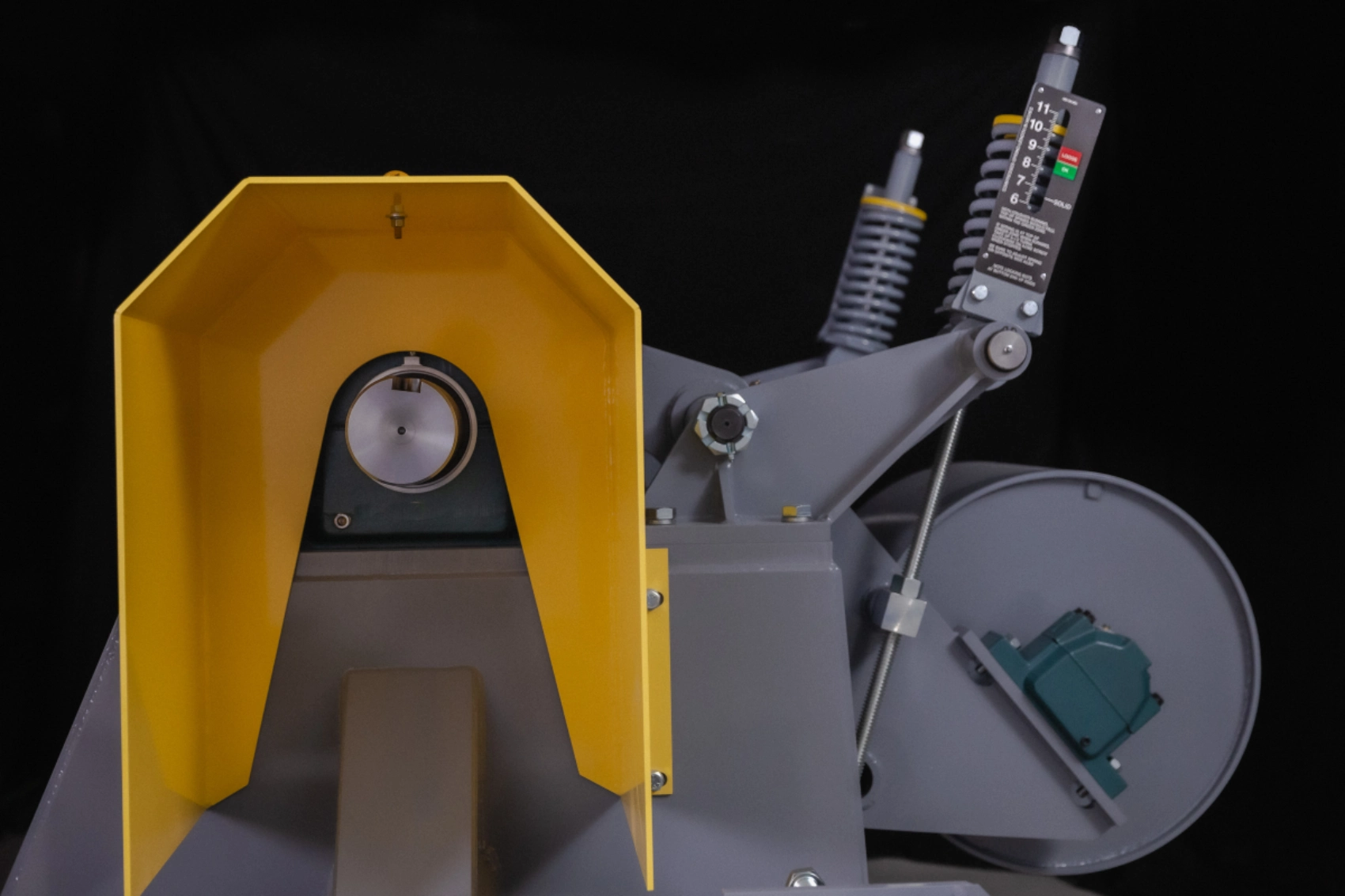
With an ACS belt tensioning system, that changes. The tensioner uses an Acme thread screw with an integrated gauge. The maintenance team relieves tension to remove the worn belts, swaps them, and re-tensions to the gauge reading. The motor doesn’t move. The process is repeatable. The result is the same every time.
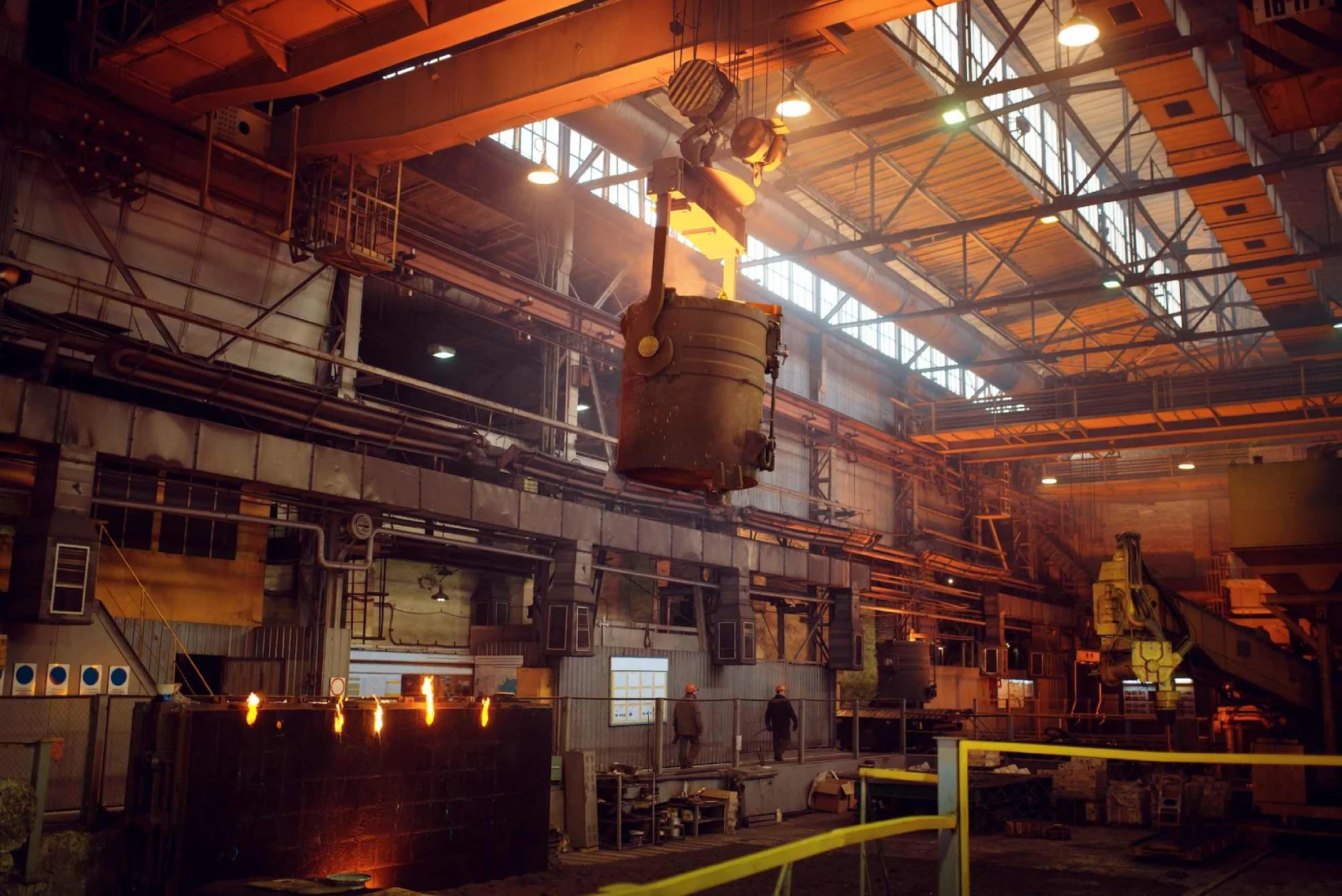
Rock crushers, conveyors, and material handling drives in surface and underground mining operations run continuous duty in the dirtiest, most punishing environments in industry. Standard slide-base drive systems work, but they cost the operation in maintenance time, premature bearing replacement, and belt life that falls short of what the equipment should deliver.
ACS belt tensioning systems are engineered specifically for these applications. The tensioner integrates with the jackshaft and crusher OEM equipment, applies consistent load to the drive belts, and gives the mine site maintenance team a process they can execute predictably across crews and shifts. ACS sells primarily through crusher and equipment OEMs who build the tensioning advantage into their product offering, with direct sales to mining operations for aftermarket upgrades and pump system applications.
Beyond mining, belt tensioning becomes a high-value retrofit on any belt-driven application above 500 horsepower. Industrial blowers, plant pumps, water and wastewater pumping stations, and large process drives all face the same maintenance economics. When a belt change takes most of a shift and tension is set by feel, the operation accepts efficiency losses and accelerated wear as the cost of running the equipment.
ACS belt tensioning systems install on existing jackshaft or slide-base equipment as standalone retrofits. The tensioner brings the same gauge-controlled, repeatable process to industrial pump and blower drives that mining operations rely on. The retrofit pays for itself through faster belt changes, longer belt and bearing life, and measurable drive efficiency improvements.
The clearest, most defensible case for an ACS belt tensioning system is maintenance time. A belt change on a standard slide-base jackshaft is an eight-hour process: shut down the machine, slide a 5,000 pound motor assembly out of position with screws and jacks, pull the worn belts, install new belts, slide the assembly back, attempt to set tension correctly, and restart. The job consumes a full shift, ties up multiple maintenance personnel, and the tension result is inconsistent.
With an ACS tensioner installed, the same belt change is approximately a two-hour job. The motor doesn’t move. The tensioner pulls back via the Acme thread screw, the worn belts come off, the new belts go on, the tensioner re-tensions to the gauge, and the machine starts back up. The process is repeatable. The tension reading is the same every time.
For an operation running multiple high-horsepower drives, that maintenance time reduction compounds quickly. Reduced labor hours per belt change. Increased production uptime. Fewer overtime hours during scheduled maintenance windows. And a process the maintenance team can execute reliably without specialized training.
ACS belt tensioning projects follow a four-step process designed to confirm fit before specification.
The case for an ACS belt tensioner is typically built on maintenance hours, belt life, bearing replacement frequency, and drive efficiency. If you can share what you’re experiencing on the current equipment, ACS can help build the payback case before you commit to a specification.
Every ACS belt tensioning system is engineered to deliver the same outcome: less time on belt changes, longer belt and bearing life, better drive efficiency, and a maintenance process the operation can execute predictably. When the math works, the tensioner pays for itself. ACS can show you the math.
This website uses cookies to improve your experience. We'll assume you're ok with this, but you can opt-out if you wish. Read More
Cookie Settings