Industrial Drives

Mining Drives and Jackshafts

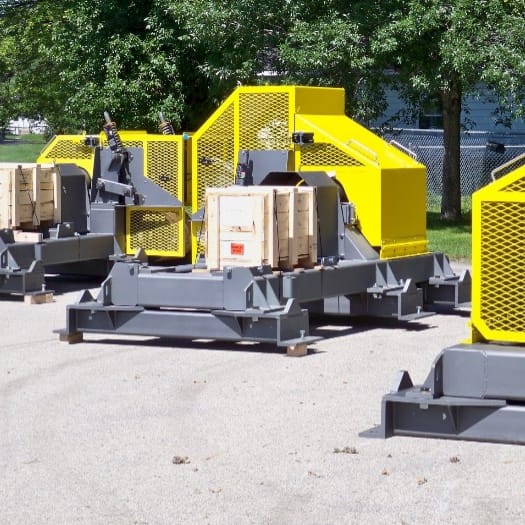
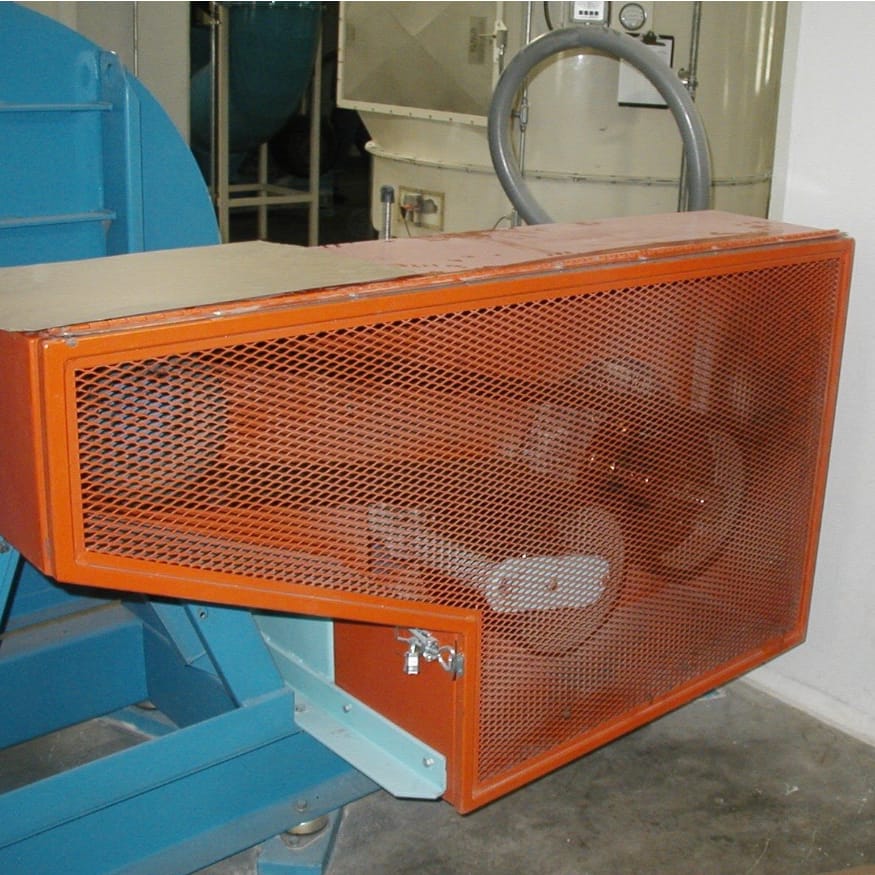
ACS has engineered and manufactured belt drives and rock crusher jackshafts for the mining industry for over 25 years. We have well over 150 units in the field domestically and around the world, including South America, Europe, Australia and Asia. Most often these mining drives operate crushers for mineral processing, but they have also been used for pumping systems.

We provide industrial drives and jackshafts for applications that typically range up to 1500 Horsepower, but we can provide even more powerful drives if the need is there. Additionally, we provide drive units with or without the motor and, if necessary, design custom gearing for the application.

Let us help you with machinery sizing, power demand calculations, and electric drive integration—reach out today.
Mining Drives
Industrial Drive Application

Industrial Drive Applications

ACS designs and builds industrial drives and belt tensioner devices for applications across multiple industries.  We work with the client to understand the desired operation of the machinery and develop the proper drive style and size to increase efficiency and decrease downtime.

Belt Tensioners and Idlers

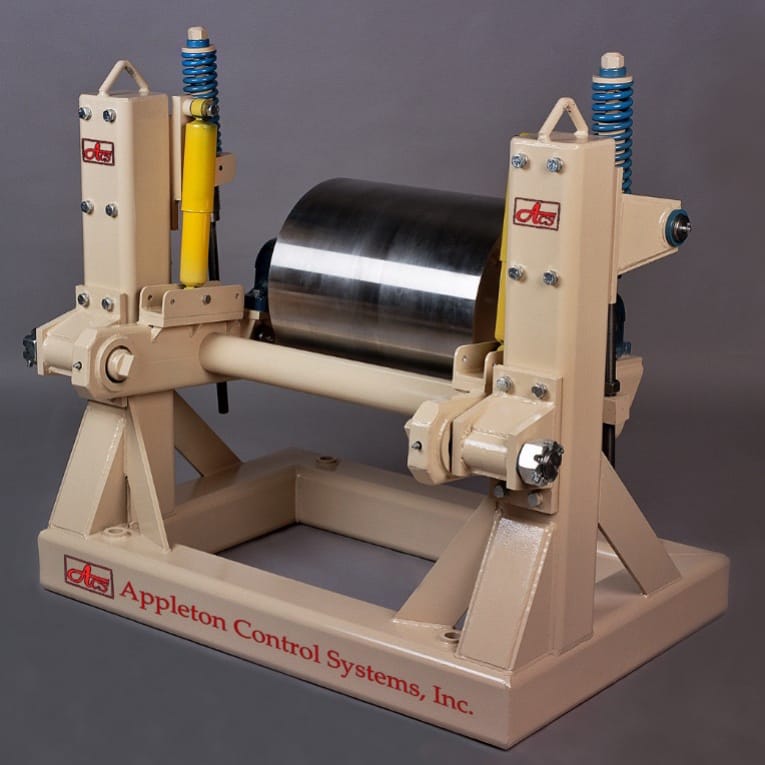
ACS is well versed in designing custom belt tensioning units for existing belt driven equipment, which increase efficiency and reduce maintenance costs. Using an ACS belt tensioner, the efficiency of your belt driven machine increases due to the larger angle of wrap on the drive pulley. A belt tensioner also ensures consistently proper tension, reducing belt wear and average loads on the pulley bearings.

Additionally, a properly designed idler reduces belt replacement time by eliminating the need to move your drive pulley and realign afterward. Our idlers have optional indicators to identify if a belt is loosening or needs to be replaced, which reduces unexpected belt failure.

Our belt tensioners increase efficiency, increase uptime in operation, and decrease downtime for maintenance.

Belt Tensioner

Frequently Asked Questions | ACS

A jackshaft is an intermediate shaft that carries the bearing loads generated when a belt drive pulls on a sheave. On high-horsepower belt-driven equipment, the belt force exceeds what a motor’s own bearings can safely absorb, so a jackshaft is integrated to carry that load. We build custom-engineered jackshaft systems — most often for rock crushers, large pumps, and blower systems — typically on 500-horsepower-and-up belt-driven applications.

Our patented belt tensioner maintains correct, measurable belt tension using a spring applied force onto the idler. The spring compression is clearly identified with a gauge that shows exactly when the belt is tensioned or de-tensioned. Because the slack side of the belt is automatically provided the proper tension the net belt tension on the motor and crusher shaft bearings are reduced. That delivers several linked benefits: lower bearing loads (longer bearing life on both the jackshaft and the driven equipment) and longer belt life. Combined with the lower loads, the tensioner creates more  belt wrap around the sheaves. This decreases belt wear and belt slip, which generates higher drive efficiency and reduced power demand.

It also transforms maintenance: on a conventional slide-base jackshaft for a crusher, changing belts can be an eight-hour, motor-sliding job involving jacking bolts and hydraulic power packs; with our tensioner you back off the spring compression by turning an ACME screw, swap the belts, and re-tension — often cutting that job to only a couple of hours. With our cantilevered drive sheave, there is also no need to remove any bearing pillow blocks and having to realign the motor and the jackshaft.

Primarily mining — especially rock crushers — along with industrial plants and facilities running high-horsepower pumps and blowers. Belt tensioners are most often a retrofit that solves ongoing maintenance pain: recurring belt wear, bearing failures, and the time lost keeping belts properly tensioned.

Yes — this is exactly where our engineering adds value. We ask the questions the spec often doesn’t cover: drive ratios and speeds, motor power, load magnitude and direction, and installation conditions. From there we size the drive, size the belts, improve drive efficiency, and reduce power demand. Many customers use us as an extension of their engineering department for precisely this reason.

Yes. The tensioner is available as a standalone, patented unit and is most commonly applied as a retrofit to existing belt-driven equipment. When space is tight — a tensioner takes a bit more room than a bare slide base — we engineer the fit to your installation, which we have consistently been able to do.

Our jackshaft drive systems are generally applied on belt-driven equipment of roughly 500 horsepower and up, which is the range where bearing loads make a dedicated jackshaft necessary. ACS has built jackshafts for units up to 2000 horsepower, the upper limit is determined by the capacity of the belt.  Each unit is custom-engineered to the specific application rather than pulled from a catalog.

Yes. Mines and industrial customers typically supply their own motors (Siemens, Toshiba, WEG, and others), and we engineer the drive around the motor and installation you specify — including mounting, load direction, and available space. We also build jackshafts on slide bases without the belt tensioner when that is what the application calls for. Every unit is custom-engineered to the site.

In most cases, jackshafts do have have any gear reduction. In the instances where a gear reduction (or increase) are necessary for proper operation, ACS is able to integrate an “Off-the-Shelf” gear reducer solution OR design a custom gear reduction to suit the application.

The idler is the pulley that applies the force onto the belt and rotates with the belt movement. Our belt tensioners, which create the applied force for the idler, include a tension gauge that gives operators a clear, direct read of the proper settings — removing the guesswork that leads to premature belt and bearing wear. Some models also include a belt wear indicator on the tension arm. This wear indicator provides the maintenance team visibility as to the status of the belt’s wear and allows them to predict when the belt will require replacement.

GET IN TOUCH TODAY